We use cookies to analyze traffic and enhance your dark aesthetic experience.
EDITORIAL TUTORIAL
The Complete Guide to Y2K PFP Makers: Creating Nostalgic Digital Aesthetics
By The Creators of RawVamp • 8 Min Read
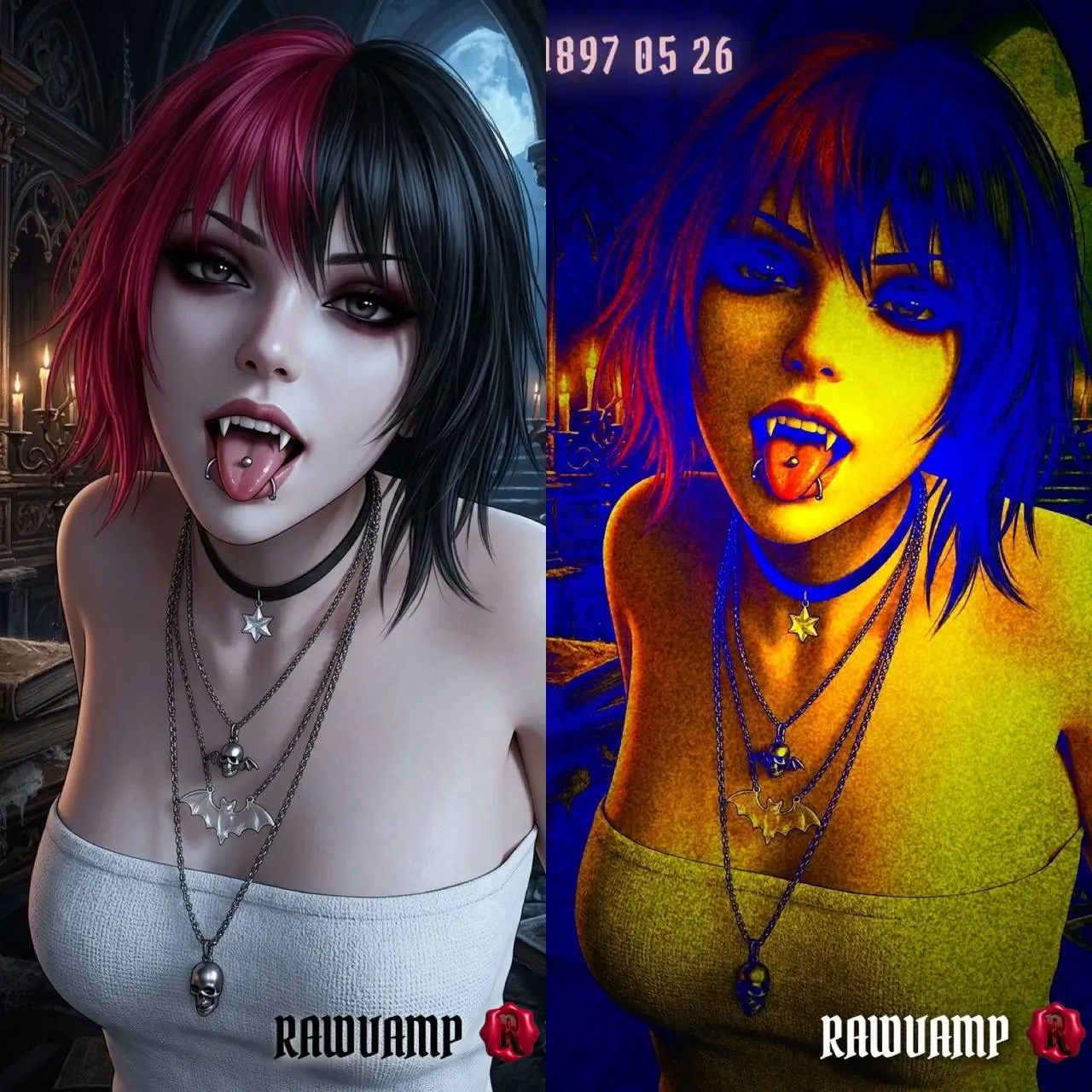
Table of Contents
- 1. Exploring Digital Nostalgia
- 2. Understanding the Y2K Aesthetic Movement
- 3. Core Visual Elements for Y2K Profile Pictures
- 4. Y2K PFP Maker Tools I Recommend
- 5. My Step-by-Step Process for Creating PFPs
- 6. Scenecore, Weirdcore & Subcultures
- 7. Advanced Techniques: 2000s Digicam Effects
- 8. Frequently Asked Questions
My Journey with Y2K PFP Makers: Exploring Digital Nostalgia
When I first started experimenting with Y2K aesthetics back in 2015, I had no idea how dramatically this retro digital style would resurge. After spending over eight years creating digital art with that distinctive millennium aesthetic, I've watched profile pictures transform from simple avatars into powerful expressions of digital nostalgia.
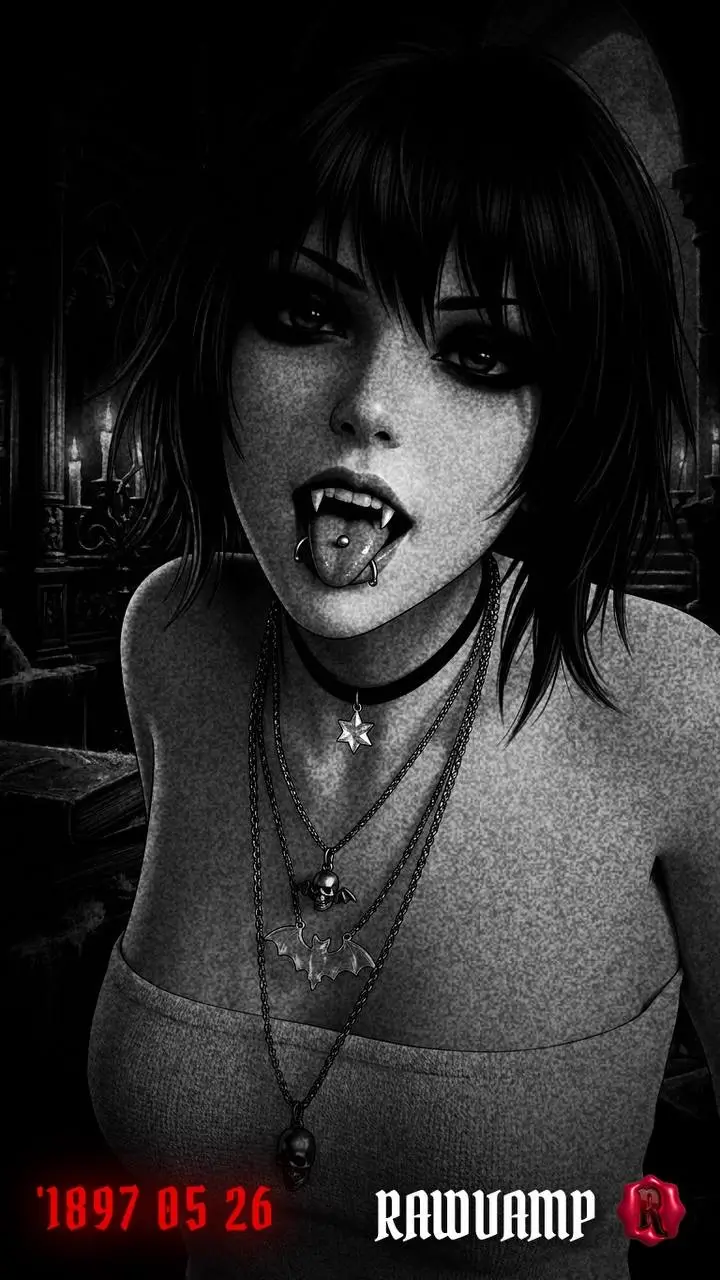
Vampire Aesthetic Study, 2026
My fascination with Y2K profile pictures began when clients started requesting that distinctive early-2000s glitchy look. The pixelated edges, oversaturated colors, and those unmistakable digital artifacts quickly became my specialty. What started as niche requests evolved into a defining aspect of my work as social media platforms became flooded with users seeking authentic Y2K representation.
Key Takeaways:
- Y2K profile pictures tap into genuine nostalgia for early internet aesthetics.
- Digital art using Y2K elements creates an immediate emotional connection.
- Social media has amplified the appetite for nostalgic digital expression.
Understanding the Y2K Aesthetic Movement Through My Experience
The Y2K aesthetic isn't simply about recreating old images—it's about capturing a distinctive moment in digital culture when the future seemed simultaneously exciting and uncertain. Having worked with this style professionally for years, I've come to appreciate its unique blend of cyber-optimism and digital naivety.
This aesthetic emerged during the late 1990s and early 2000s when the internet was transforming from a novelty into an essential part of daily life. The visual language combined retrofuturistic elements, metallic textures, and primitive digital graphics that now evoke powerful nostalgia for many users.
What fascinates me is how platforms like Instagram and TikTok have revitalized these visuals. I've tracked hashtags like #Y2Kaesthetic growing from thousands to millions of posts. What was once considered dated has become the cutting edge of digital expression—something I recognized early when developing my own design approach.
Core Visual Elements I Use for Y2K Profile Pictures
Creating authentic Y2K profile pictures requires mastery of specific graphic elements that instantly transport viewers back to the early 2000s digital experience. From my years working with computer graphics, I've identified these essential components:
- Film grain overlay: Adds texture reminiscent of early digital cameras.
- RGB color shifting: Slight misalignment of color channels creates that authentic digital decay.
- Pixel artifacts: Strategic pixelation mimics low-resolution files and compression issues.
- Scanlines: Horizontal lines that reference CRT monitors and early screens.
- VHS-style distortion: Wavy lines and glitches that recall analog-to-digital conversion.
The most common mistake I see is an overreliance on simple filters without understanding how pixels functioned in early computer graphics. Authentic Y2K aesthetics require a thoughtful implementation of these elements in combination, not just slapping on a single effect.
Y2K PFP Maker Tools I Recommend After Years of Testing
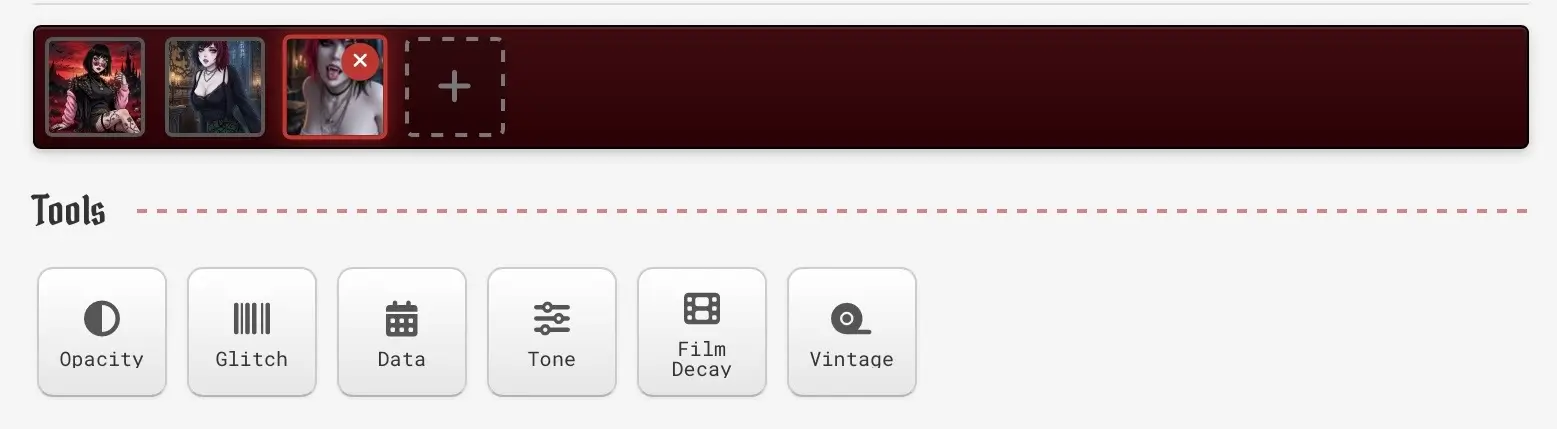
After testing dozens of tools over the years, I've developed strong opinions about which ones truly deliver authentic Y2K aesthetics. RawVamp has become my go-to recommendation (and creation) for anyone serious about generating genuine Y2K profile pictures. As a browser-based dark aesthetic photo editor, it offers unparalleled control over the specific visual elements that define the Y2K look.
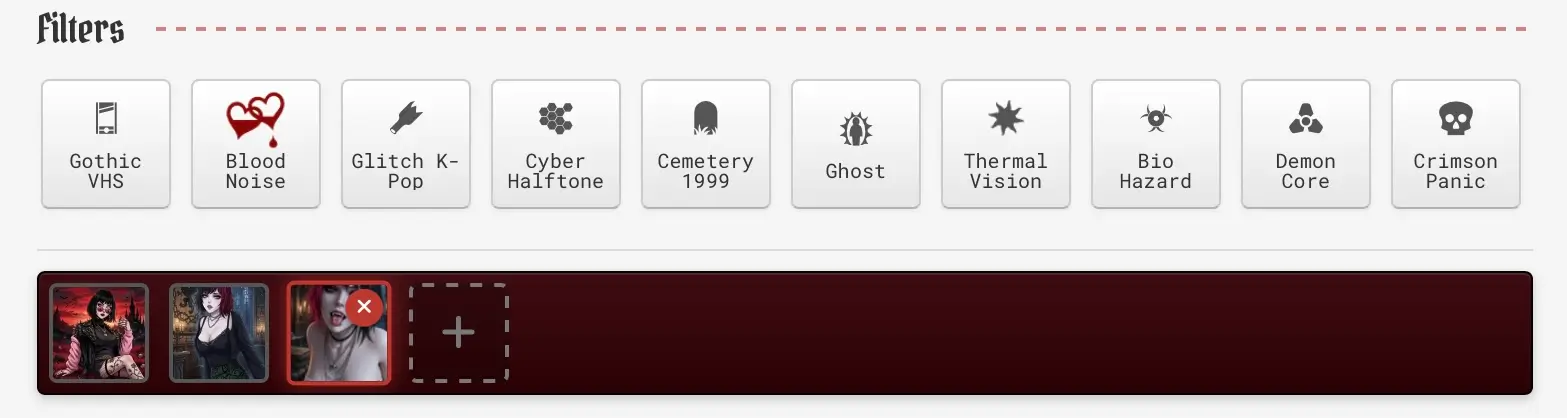
What sets RawVamp apart is its privacy-first approach—all processing happens locally in your browser, which means your images never leave your device. This is a significant advantage over other tools that upload your photos to remote servers. The interface strikes that perfect balance between accessibility and depth, offering beginners a straightforward entry point while giving experienced creators like myself the granular control we need.
Privacy First
100% local browser processing. No uploads, no servers, absolute security for your personal selfies.
High-Res Export
Support for lossless PNG files that maintain transparency—essential for creating layered glitch effects.
Budget-Friendly
A powerful free photo editor tier that allows you to explore the aesthetic before investing in premium tools.
My Step-by-Step Process for Creating Y2K Profile Pictures
After creating hundreds of Y2K profile pictures, I've refined my process to consistently produce authentic results. Here's the exact workflow I follow when editing an avatar:
1
Select your source image
Choose a clear selfie or portrait with good lighting. Avoid images that are already heavily filtered.
2
Prepare your canvas
Create a square format (1:1 ratio) with extra space around your subject for Y2K elements using our crop tool.
3
Apply base effects & Scanlines
Start with subtle film grain to establish the digital foundation. Apply horizontal scanlines at 50-70% opacity for that authentic CRT monitor look.
4
Layer in glitch effects
Add RGB splits and digital noise concentrated in specific areas, not uniformly. Use the Necro Glitch slider.
5
Export in high-quality PNG
Preserve transparency and full resolution for versatile usage across social media platforms.
6. Y2K Aesthetic Variations: Finding Your Style
The Y2K aesthetic isn't monolithic—it contains numerous sub-styles that emerged from different internet subcultures between 1998 and 2005. When working on avatars, I guide users through these variations to find the one that resonates with their personal identity.
Scenecore draws from the emo and scene subcultures, featuring high-contrast colors, heavy black elements, and playful punk sensibilities. Weirdcore embraces the strange, often unsettling aspects of early internet culture with liminal spaces and surreal distortions. Meanwhile, cursed webcore captures the uncanny and slightly disturbing quality of primitive digital graphics and early web design.
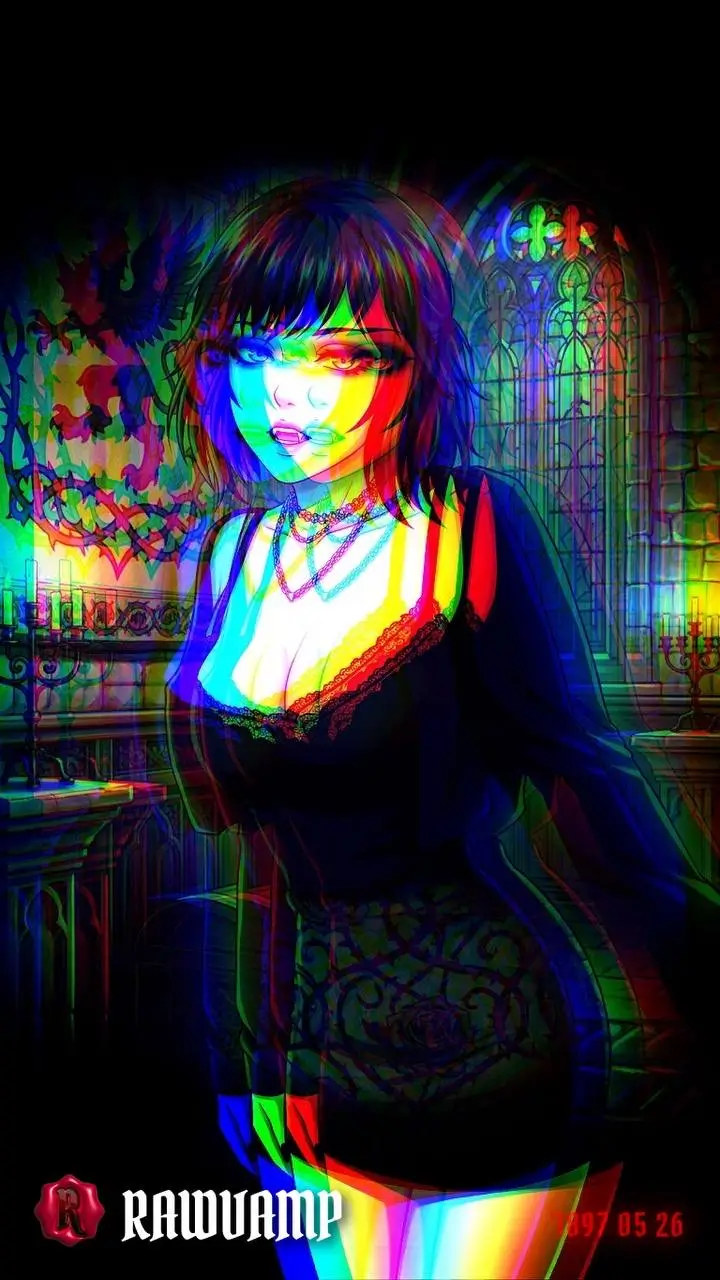 Weirdcore
 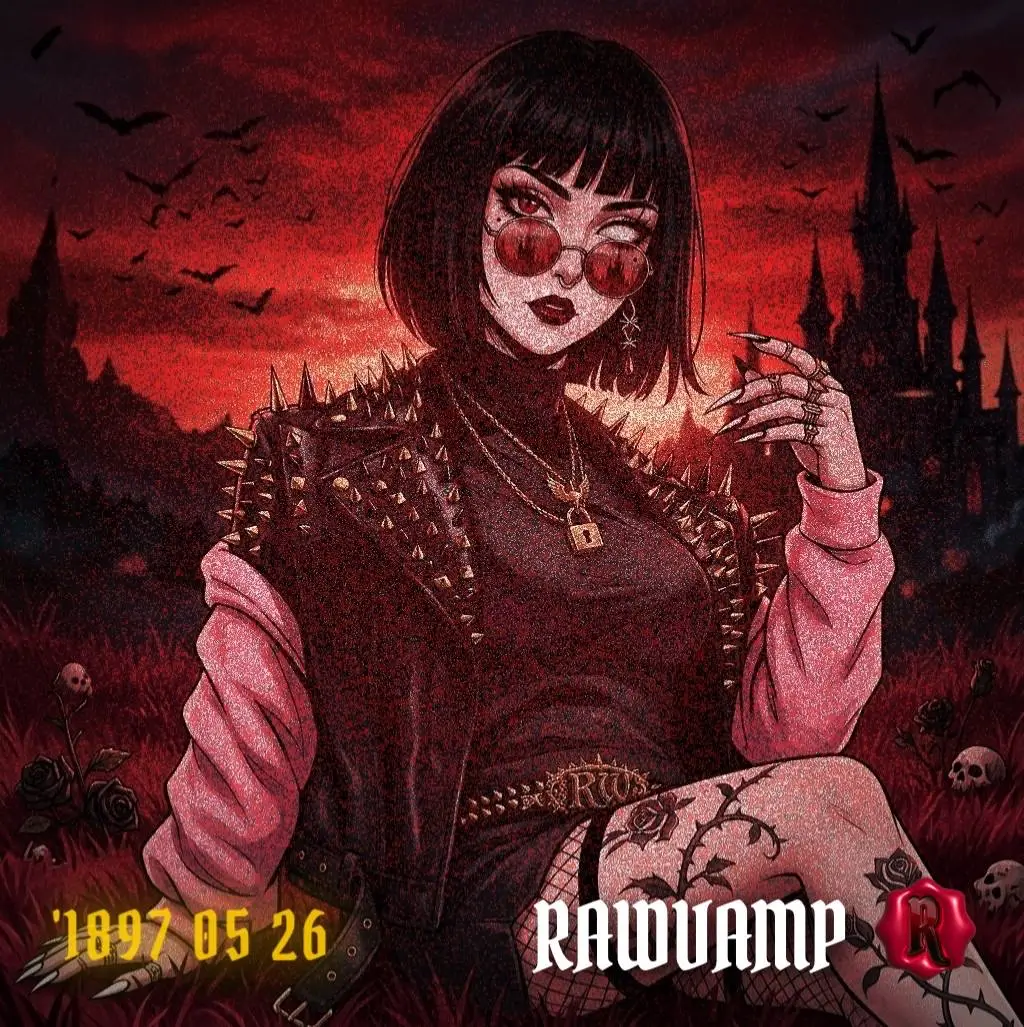 Scenecore
 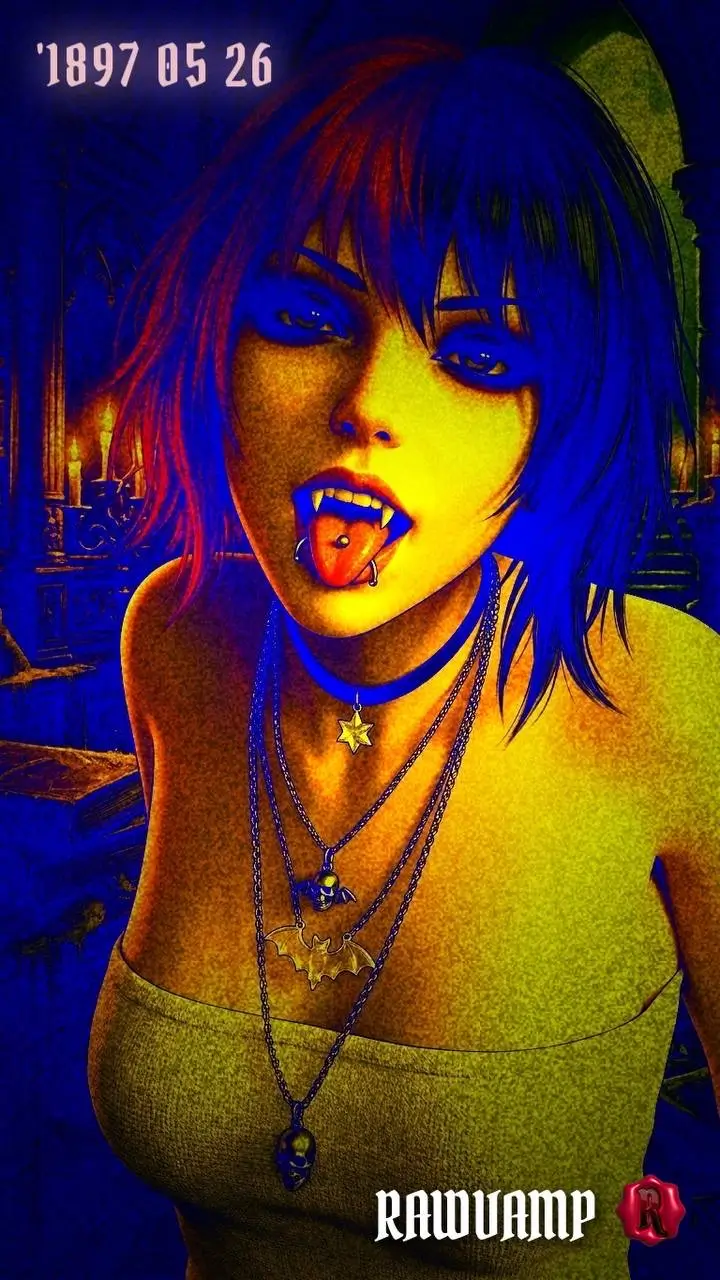 Webcore
 7. Advanced Techniques: Authentic 2000s Digicam Effects
Beyond basic filters, I've developed specialized techniques that capture the nuanced reality of early digital photography. These approaches elevate Y2K profile pictures from simple stylized images to authentic digital artifacts.
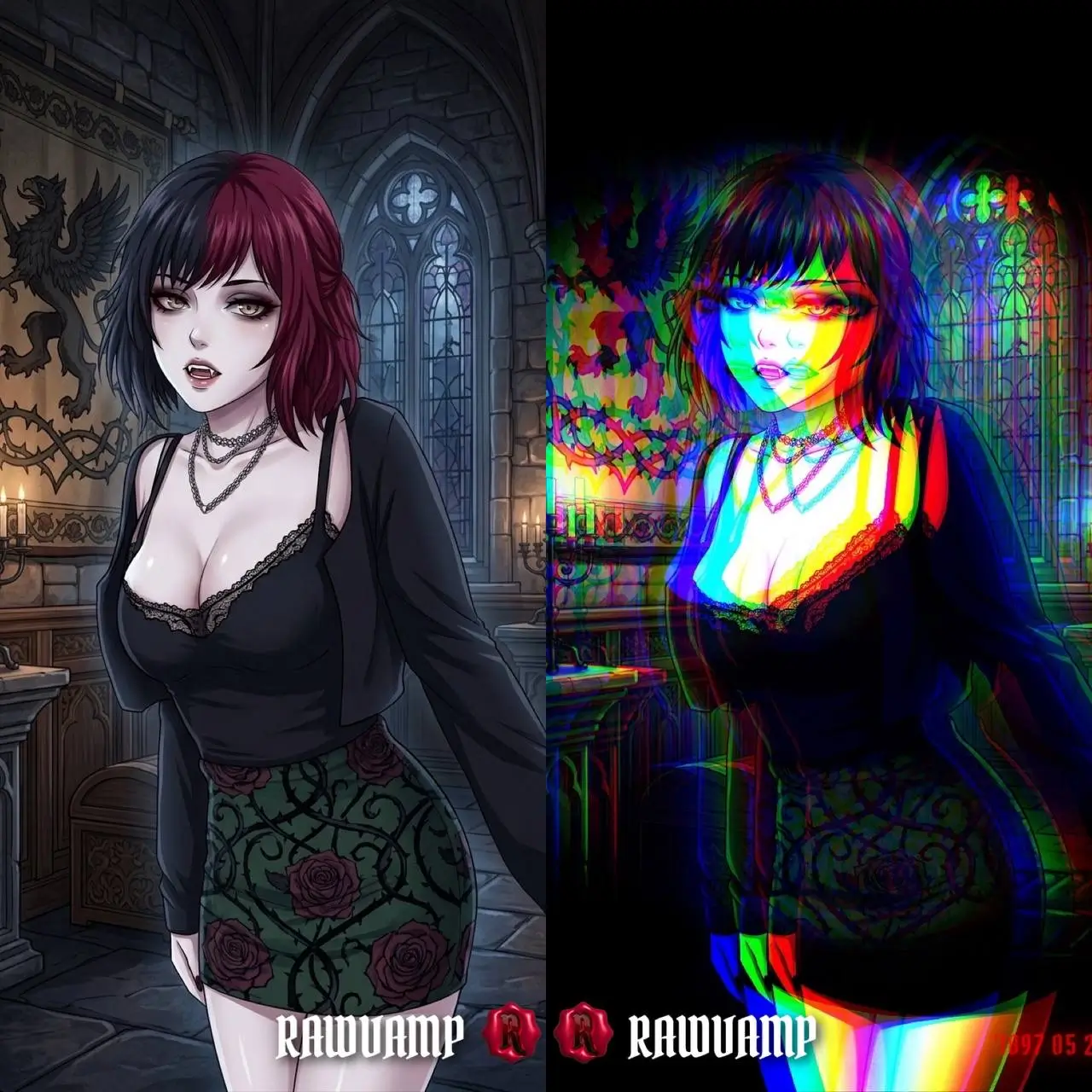
Color treatment is perhaps the most defining aspect of Y2K aesthetics. Through years of experimentation, I've developed specific approaches to achieve that distinctive early 2000s look. Rather than simply increasing saturation, I selectively enhance blue and magenta channels while slightly reducing yellows—this creates the characteristic "cool" cast of an early 2000s digicam effect.
Another technique I've perfected is selective compression. I'll intentionally save portions of the image at extremely low quality by adding intense grunge filter overlays. This creates those authentic JPEG artifacts without degrading the entire image—exactly how early digital photos would degrade unevenly due to memory limitations.
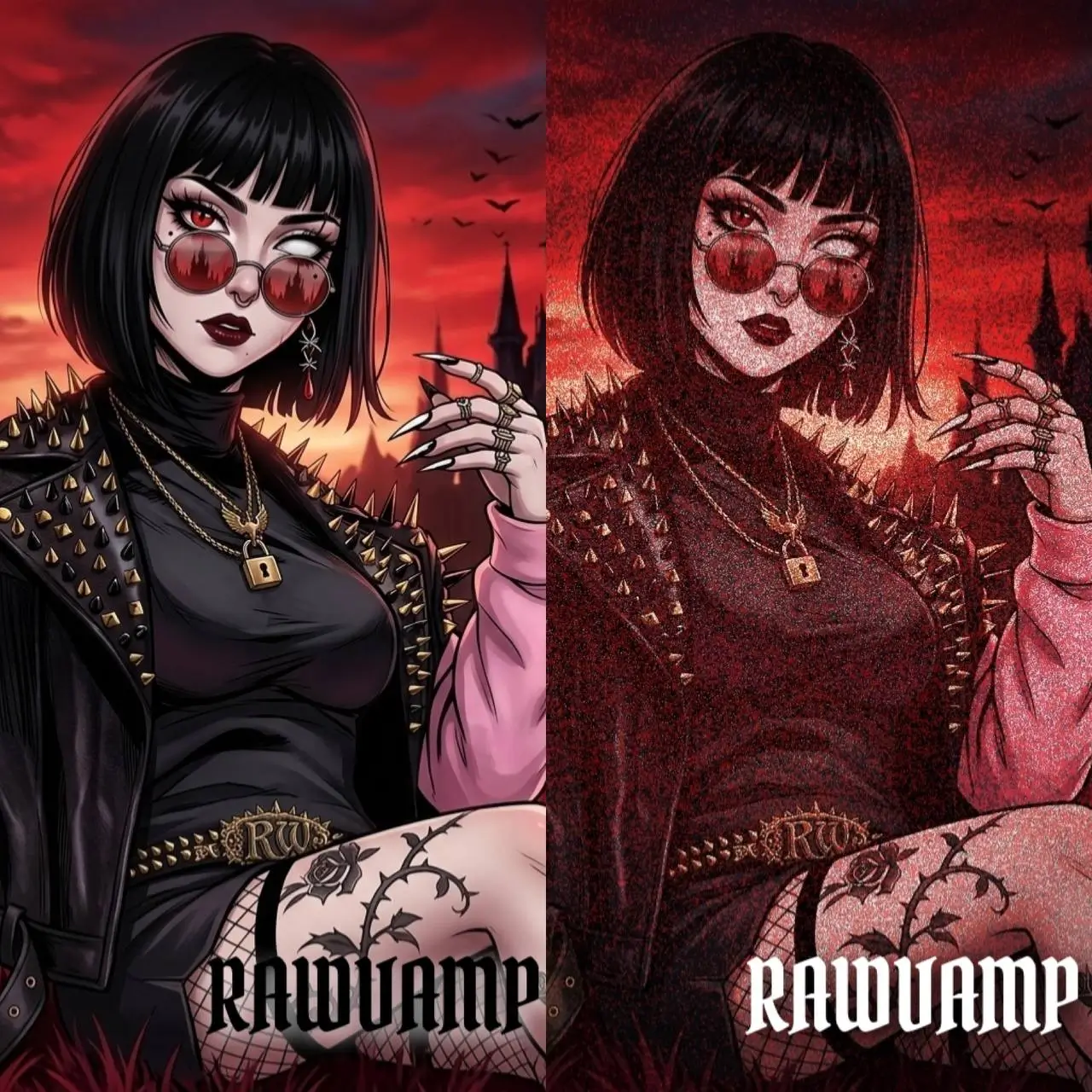
Heavy Grain Detail
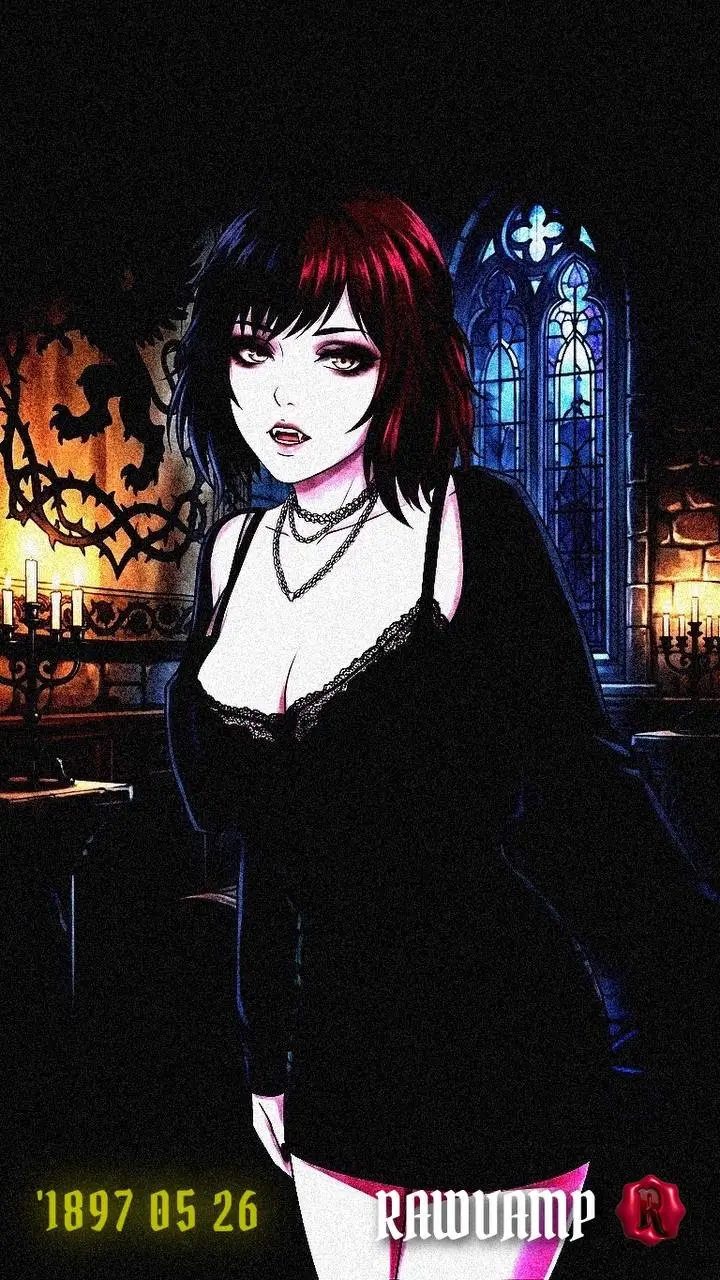
Vintage Anime Artifacts
Frequently Asked Questions
What is a Y2K PFP Maker?
A Y2K PFP Maker is a specialized photo editing tool designed to transform regular photos into profile pictures with authentic early-2000s digital aesthetics. These tools recreate distinctive elements like film grain, color shifting, and pixel artifacts that characterized digital images from the millennium era.
How do I create a Y2K style profile picture?
Start with a clear portrait photo, then apply characteristic Y2K elements like film grain, RGB color shifts, and pixel distortion. Add decorative components like glitter effects, butterflies, or stars. Finish with slight oversaturation and color adjustment to achieve that distinctive early-2000s digital camera look.
What elements make up the Y2K aesthetic for profile pictures?
Authentic Y2K profile pictures feature distinctive elements including film grain, RGB color shifting, pixel artifacts, scanlines, and subtle glitch effects. Decorative components often include butterflies, stars, hearts, and digital motifs. Typography uses chrome effects, bubble letters, and pixel fonts for authentic millennium styling.
What tools do I need to create a Y2K PFP?
RawVamp is my recommended browser-based editor for creating Y2K profile pictures. Its privacy-first approach (100% local processing) and specialized effects make it ideal for authentic Y2K aesthetics. You'll also benefit from a collection of Y2K-era decorative elements like pixel art and glitter graphics.
Are there free Y2K PFP Makers available?
Yes, there are free options for creating Y2K profile pictures. RawVamp offers core functionality without cost—all processing happens locally in your browser. While premium features provide additional effects and elements, the free version allows you to create authentic Y2K aesthetics without compromising privacy.
What effects can I add to achieve a Y2K look in my profile picture?
Essential Y2K effects include film grain overlay, RGB color shifting (slight channel misalignment), strategic pixel artifacts, scanlines reminiscent of CRT monitors, and VHS-style distortion. Combined with decorative elements like glitter and digital motifs, these create authentic early-2000s digital aesthetics.
How can I personalize my Y2K PFP?
Personalize your Y2K profile picture by selecting specific sub-styles (scenecore, weirdcore, or webcore) that match your identity. Add meaningful decorative elements and custom text with Y2K typography. Adjust color schemes to reflect your personality while maintaining authentic millennium digital aesthetics.
What exactly is the Y2K aesthetic and why is it popular for profile pictures?
The Y2K aesthetic captures the digital visual language of 1998-2005—characterized by cyber-optimism, early internet culture, and distinctive technical limitations of that era's technology. It's popular for profile pictures because it evokes powerful nostalgia while offering a unique visual identity that stands out from modern, polished aesthetics.